
Fresh mozzarella can deliver a soft texture and milky flavour, but it may release more water during the bake. Low-moisture mozzarella is designed to provide more controlled moisture release, making it easier for operators to achieve consistent melt, coverage and pizza-base performance.
In this side-by-side test, Dan Hall, AKA Mozzafella, compares both formats using the same dough, sauce, cheese weight and oven conditions.
The difference between fresh and low-moisture mozzarella
Fresh-style mozzarella generally contains more water and can provide a softer texture and milky flavour. It may require draining, tearing or careful portioning before use.
Low-moisture mozzarella has had more water removed during production. This can help operators achieve more controlled moisture release, consistent coverage and reliable handling during a busy service.
Neither format is automatically right for every menu. The decision should be based on the pizza style, oven, desired finish and whether the pizza is served immediately or expected to travel.
Why Mozzarella Releases Water During Baking
Mozzarella contains water within its structure. As the cheese heats, this moisture is released onto the surface of the pizza.
The amount released will vary depending on the style of mozzarella, its moisture content, the quantity used and the intensity of the bake. A pizza carrying a generous amount of higher-moisture cheese may need more heat or a longer bake to manage that moisture effectively.
Operators should avoid judging cheese performance in isolation. The same mozzarella may perform differently when the sauce, topping load or oven conditions change.

Other causes of a soggy pizza base
Cheese may be the most visible ingredient, but several other factors can soften the base:
Too much sauce: A heavy or watery sauce adds moisture before the pizza has entered the oven. Operators should use a defined sauce portion and consider reducing sauces that have not been cooked down sufficiently.
High-moisture toppings: Mushrooms, fresh tomatoes, vegetables and some cooked meats can release water during baking. Pre-cooking, draining or reducing the portion may help.
Overloading the pizza: A heavily topped pizza takes longer for heat to reach the centre. This can leave the middle underbaked while the crust appears ready.
Insufficient oven heat: If the oven temperature is too low, moisture may be released faster than it evaporates. Operators should assess both the oven setting and the recovery time between pizzas.
Holding and delivery: Steam continues to move through the pizza after baking. Boxing too quickly or using packaging with poor ventilation can soften the base even when the pizza initially leaves the oven in good condition.
How Operators Can Control Moisture
Start by standardising the pizza specification. Use the same dough weight, sauce portion, cheese quantity and topping load each time.
When investigating a problem, change one element at a time. For example, bake two identical pizzas using the same weight of different mozzarella styles. Compare:
- surface moisture
- cheese coverage
- base texture
- centre bake
- slice structure
- performance after holding
This gives the team a more useful comparison than changing the cheese, sauce and bake at the same time.
Dan’s side-by-side test should demonstrate this process visually, allowing operators to see the difference rather than relying only on product claims.

When Low-Moisture Mozzarella Can Help
Low-moisture mozzarella can be particularly useful where operators need:
- controlled moisture during baking
- repeatable melt and coverage
- easier portioning during service
- performance across dine-in and delivery
- a format suited to higher-volume production
For operators comparing the best low-moisture mozzarella for foodservice, the decision should go beyond appearance straight from the oven. Cheese should also be assessed for handling, portion consistency, delivery performance and how well it works with the existing pizza specification.
Dan’s Recommended Checks Before Service
Before committing to a mozzarella, Dan recommends testing it in the conditions the pizza will actually face.
- Use the exact dough, sauce and topping specification from service.
- Weigh the cheese rather than estimating the portion.
- Assess the pizza immediately after baking.
- Check the underside and centre after cutting. Box another pizza and review it after a realistic delivery window.
- Repeat the test during a busy service when oven recovery may differ.
This creates a more realistic picture of how the mozzarella will perform for the operation.
Our Products
Arla Pro Mozzarella is developed with professional chefs and foodservice operators in mind, helping support consistent melt, coverage and handling across busy kitchen environments.
The Arla Pro low-moisture mozzarella range includes diced, shredded, grated and block formats, giving operators flexibility based on their preparation process, volume and preferred application method.
Explore Arla Pro low-moisture mozzarella below.

Arla Pro; made specifically for professional chefs & operators in mind. Arla Pro Mozzarella Large Diced is delicious pre-cut cubes made from high-quality mozzarella ideal for easy application. The dice are creamy light yellow in colour and offer fres...
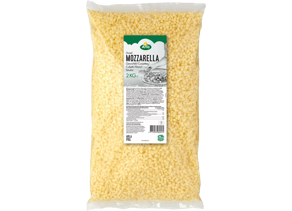
Arla Pro; made specifically with professional chefs & operators in mind. Arla Pro Small Diced Mozzarella is a fresh creamy mozzarella in a convenient small diced format (4 x 4mm) ideal for easy application.
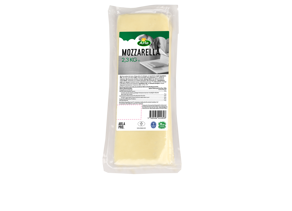
Arla Pro; made specifically with professional chefs & operators in mind. Arla Pro Mozzarella Block is high-quality mozzarella in a versatile easy handle block format that can be used across the menu, ideal for customisation to create a bespoke blend/shape and authentic and unique looking pizza.

Arla Pro; made specifically for professional chefs & operators in mind. Arla Pro Large Shredded Mozzarella has a delicious mild fresh taste with a light colour. A thicker cut size than grated (4x4x20mm) offering excellent melting, golden browning and...

Arla Pro; made specifically with professional chefs & operators in mind. Arla Pro Mozzarella Grated is high-quality grated mozzarella with a light-yellow colour. The taste is mild and fresh, providing the perfect backdrop for all types of toppings.


