
The right amount depends on the size of the base, the dough style, sauce quantity, toppings, mozzarella format and the result you want to achieve. A portion that works well on a 12-inch thin-crust pizza may be completely wrong for a deeper pan pizza or heavily topped delivery pizza.
For foodservice operators, the aim is not simply to use less cheese. It is to establish a portion that gives the right coverage, melt and customer experience while remaining consistent from one pizza to the next.
In this test, Dan Hall, AKA Mozzafella, compares three different mozzarella portions on the same pizza base to show what under-portioning, over-portioning and a controlled house portion can look like after baking.
Why There Is No Single Portion for Every Pizza
A cheese portion should be based on the complete pizza specification, not copied from another menu or chosen by eye.
Two pizzas of the same diameter can require very different amounts of mozzarella. A thinner dough may need lighter coverage to bake correctly, while a thicker base may carry more sauce, toppings and cheese. The intended finish also matters. Some operators want full, even coverage, while others deliberately leave parts of the sauce visible.
The correct portion will also depend on:
- the diameter and shape of the pizza
- the dough weight and thickness
- whether the pizza is thin, pan, New York, Detroit or another style
- the amount and consistency of the sauce
- the volume and moisture level of the toppings
- the mozzarella format
- the oven temperature and bake time
- whether the pizza is eaten immediately or delivered
- the menu price and expected customer value
The right question is therefore not: How much cheese should every pizza use?
It is: What portion gives this pizza the right coverage, bake, eating quality and commercial return?
What Affects the Right Cheese Quantity
Pizza size
A larger pizza needs more mozzarella to achieve similar coverage, but the quantity does not always increase in a simple straight line. The usable surface area grows quickly as the diameter increases, so each pizza size should have its own tested portion.
Dough style
Thin-crust and high-temperature pizzas may need a lighter topping load to bake properly. Thicker or pan-style pizzas may be able to carry more cheese, but the portion should still be tested against the centre bake and final structure.
Sauce quantity
Cheese and sauce work together visually and technically. Too little mozzarella over a heavy sauce can leave the pizza looking sparse. Too much cheese can cover the sauce completely and change how heat and moisture move through the pizza.
Toppings
A cheese-led pizza may need a different portion from one containing several meats or vegetables. The cheese should support the topping combination rather than compete with it or hide it.
Mozzarella format
Diced, shredded and block mozzarella distribute differently. A shredded product may create broad visual coverage quickly, while diced mozzarella produces more defined pieces that spread during baking. The same weight can therefore look different depending on the format.
Service occasion
A pizza intended for delivery may need to be assessed differently from one served straight from the oven. Operators should consider how the cheese looks, holds and eats after boxing and cooling.
Menu price
Customers judge value from the whole pizza, including appearance, portion size and topping generosity. The cheese portion should support the price point without adding cost that the customer cannot see or appreciate.

What Under-Portioning Looks Like
Under-portioning is not simply using less cheese. It is using less than the pizza specification needs to deliver the intended result.
An under-portioned pizza may show:
- inconsistent coverage
- large unintended gaps
- limited melt between toppings
- a dry or sparse appearance
- poor consistency from slice to slice
- a weaker perception of value
This can be particularly noticeable on simple pizzas where mozzarella is one of the hero ingredients.
Reducing the portion may lower ingredient cost on paper, but the saving can be false economy if the pizza no longer delivers the quality promised on the menu.
The important distinction is between deliberate lighter coverage and inconsistent under-portioning. A pizza style may intentionally use less cheese, but the portion should still be defined and repeated accurately.
Cheese spreads and melts during cooking, so operators need to assess whether the finished coverage meets their standard.
What Over-Portioning Looks Like
More mozzarella does not always produce a better pizza.
Over-portioning can lead to:
- excess grease or moisture
- toppings becoming hidden
- an unbalanced cheese-to-sauce ratio
- slower or less even baking
- a heavier finished pizza
- reduced slice structure
- unnecessary food cost
It can also create inconsistency. If one chef applies significantly more mozzarella than another, the customer receives a different pizza depending on who is working that shift.
Over-portioning is particularly costly because small differences accumulate quickly.
For example, an extra 10g may appear insignificant on one pizza. Repeated across 100 pizzas, it becomes 1kg of additional mozzarella. That does not automatically mean the extra cheese is wasted, but operators should be sure it is improving the customer experience enough to justify the cost.
The objective is not to strip cheese out of the pizza. It is to remove unplanned variation.
How to Establish a Repeatable House Portion
Dan’s test compares three visual outcomes:
- Too little: Sparse or inconsistent coverage, exposed sauce, burnt cheese and weaker perceived value
- Just right: Balanced coverage, visible toppings and the intended cheese-to-sauce ratio
- Too much: Excessive coverage, hidden toppings, added moisture or grease and unnecessary cost
The test demonstrates what these three outcomes can look like, but it does not prescribe a universal mozzarella weight. Operators should weigh each test portion in their own kitchen and record the amount that produces the “just right” result for their pizza specification.
The most reliable method is to test, weigh and document the portion for each pizza size and style.
1. Start with the finished result
Define what good looks like after baking:
- the amount of sauce that should remain visible
- the desired cheese coverage
- the balance between cheese and toppings
- the expected slice structure
- the correct eating experience
2. Test several portions
Prepare identical pizzas with different measured mozzarella quantities. Keep the following consistent:
- dough weight
- sauce portion
- toppings
- cheese format
- oven position
- bake time
- resting time
Changing only the mozzarella weight gives a more credible comparison.
3. Review the pizzas after baking
Assess:
- coverage
- melt
- browning
- moisture
- grease
- topping visibility
- slice lift
- overall appearance
For delivery pizzas, repeat the assessment after a realistic holding period.
4. Choose the house standard
Select the portion that gives the best balance of quality, consistency and commercial return.
5. Record it clearly
Document the agreed weight for every pizza size or menu item.
A starting specification might look like the overview below. These ranges are intended to support initial kitchen testing rather than define a universal portion. Dan’s side-by-side test can then help identify the amount that delivers the right balance of coverage, eating quality and food cost.
Pizza application & Illustrative mozzarella portion
- 10-inch core pizza = 70–90g
- 12-inch core pizza = 90–120g
- 12-inch premium or heavily topped pizza = 100–130g
- 12-inch delivery pizza = 90–110g
Indicative portions only. The right mozzarella weight will depend on the dough style, pizza diameter, sauce quantity, topping load, cheese format and required coverage. Operators should test each portion using their own pizza specification and assess the finished result after baking.

How to Make Portioning Work During Busy Service
A standard only works if the team can apply it consistently.
Operators can use:
- digital scales during preparation
- pre-portioned containers
- portion cups or scoops
- clearly marked containers
- recipe cards with weight and visual references
- regular spot checks during service
Weighing every pizza during peak service may not suit every operation. A practical alternative is to weigh and pre-portion mozzarella before service or establish a tested scoop that consistently delivers the approved weight.
Visual training is also valuable. Teams should be shown what the correct portion looks like both before and after baking.
The process should be simple enough to repeat when the kitchen is busy. If portion control adds excessive complexity, staff are more likely to abandon it.
Arla Pro low-moisture Mozzarella is available in foodservice formats that can support different preparation and portioning methods. The best option will depend on the kitchen’s volume, equipment and workflow.
Turning Portion Control into Margin Control
Mozzarella is a visible and important part of the pizza, but it is also a significant ingredient cost. That makes portion accuracy commercially important.
The cost per pizza can be calculated using:
Pack price ÷ pack weight = cost per gram
Cost per gram × mozzarella portion = cheese cost per pizza
For example, once an operator knows the cost per gram, they can compare the difference between an approved portion and the amount actually being used.
The greatest opportunity often comes from reducing variation, rather than aggressively reducing the specification.
If the approved portion is 100g but the kitchen regularly applies between 90g and 125g, the operation has two problems:
- the customer experience is inconsistent
- the actual food cost is unpredictable
A reliable house portion makes it easier to:
- forecast ingredient requirements
- calculate menu margins
- train teams
- compare supplier or product options
- identify waste
- maintain consistency across multiple sites
Operators should avoid viewing cheese only as a cost to cut. It is also a key part of the pizza’s appeal and perceived value.
The best result is a portion that protects margin and delivers the experience customers expect.
Our Products
Arla Pro Mozzarella is developed with professional chefs and foodservice operators in mind, helping support consistent melt, coverage and handling across busy kitchen environments.

Arla Pro; made specifically for professional chefs & operators in mind. Arla Pro Mozzarella Large Diced is delicious pre-cut cubes made from high-quality mozzarella ideal for easy application. The dice are creamy light yellow in colour and offer fres...
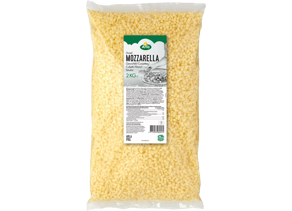
Arla Pro; made specifically with professional chefs & operators in mind. Arla Pro Small Diced Mozzarella is a fresh creamy mozzarella in a convenient small diced format (4 x 4mm) ideal for easy application.
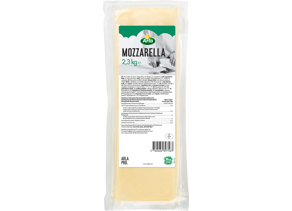
Arla Pro; made specifically with professional chefs & operators in mind. Arla Pro Mozzarella Block is high-quality mozzarella in a versatile easy handle block format that can be used across the menu, ideal for customisation to create a bespoke blend/shape and authentic and unique looking pizza.

Arla Pro; made specifically for professional chefs & operators in mind. Arla Pro Large Shredded Mozzarella has a delicious mild fresh taste with a light colour. A thicker cut size than grated (4x4x20mm) offering excellent melting, golden browning and...

Arla Pro; made specifically with professional chefs & operators in mind. Arla Pro Mozzarella Grated is high-quality grated mozzarella with a light-yellow colour. The taste is mild and fresh, providing the perfect backdrop for all types of toppings.