
Dan Hall, AKA Mozzafella, demonstrates how Arla Pro low-moisture Mozzarella performs across three different commercial roles:
- a Margherita that acts as the quality benchmark
- a delivery-led Pepperoni designed to hold through boxing
- a premium pumpkin and ’nduja limited-time offer
The real value lies in understanding what must remain consistent, what should change and how the mozzarella supports each menu role.
The Margherita: Your Mozzarella Benchmark
A Margherita gives operators the clearest view of how a mozzarella performs. With fewer toppings competing for attention, any inconsistency in melt, coverage, moisture or browning is easier to identify.
Dan’s Margherita acts as the control pizza in the comparison. It establishes how Arla Pro low-moisture Mozzarella behaves against a familiar tomato base before the same product is tested in more demanding applications.
For multi-site or high-volume operators, this kind of benchmark can be useful when setting product standards, training teams or reviewing a supplier change.
That elevates it from “classic option” to a useful testing methodology.
How Mozzarella Supports Different Flavour Profiles
Mozzarella does not perform in isolation. Its flavour, salt level, moisture and melt all affect how the wider pizza is perceived.
Margherita
The mozzarella needs to balance the acidity and sweetness of the tomato sauce without overwhelming it.
Pepperoni
The cheese must work alongside the salt and rendered fat from the pepperoni. Too much cheese can make the pizza heavy, while too little can leave the topping feeling disconnected from the base.
Pumpkin and ’nduja
The mozzarella provides a creamy counterpoint to the sweetness of the pumpkin and the heat of the ’nduja. It should help bring the ingredients together while allowing the premium flavours to remain distinct.
Using the same mozzarella across these three pizzas demonstrates how dairy can support different flavour systems, service occasions and menu roles. The value comes from consistency in the kitchen, while the sauce, toppings and positioning create the distinction for the customer.

Adjust the Build, Not Necessarily the Cheese Product
Using one mozzarella across the menu does not mean applying the same quantity or distribution to every pizza.
The Pepperoni may require the cheese to be distributed to allow fat to render without pooling. The pumpkin and ’nduja LTO may need lighter coverage in places so the premium sauce and toppings remain visible.
Operators should consider:
- how much sauce should remain visible
- whether the topping sits above or below the cheese
- how fat and moisture will move during baking
- whether the mozzarella supports or obscures the hero ingredients
- how the pizza will look when served or delivered
The Operational Value of One Mozzarella Across the Menu
Using one dependable mozzarella across several menu roles can help operators reduce unnecessary complexity.
Potential benefits include:
- fewer cheese SKUs to order and store
- more consistent team training
- simpler preparation and portioning
- reduced risk of using the wrong cheese
- easier stock rotation
- fewer open packs
- greater flexibility when introducing specials
- more predictable bake performance
This does not mean every pizza uses an identical specification. The sauce, toppings, cheese quantity and finishing can still change. The operational advantage comes from the team already understanding how the core mozzarella handles, melts and performs.
How to Create Distinction Without Adding Unnecessary Complexity
A bigger pizza menu does not need a bigger ingredient list.
One of the easiest ways to create variety is to keep a dependable core and change a smaller number of ingredients around it.
That could mean using the same dough and mozzarella across the menu, then creating a different reason to choose each pizza through sauce, toppings, finishing and presentation.
Take these three pizzas.
Margherita
The Margherita is all about getting the basics right.
There is nowhere for poor melt, uneven coverage or excess moisture to hide, so it works well as the kitchen benchmark. If the team can produce a consistent Margherita during a busy service, you have a strong base to build from.
Delivery Pepperoni
The Pepperoni has a different job.
It needs to deliver plenty of flavour but also hold up after it leaves the oven. Think about where the pepperoni sits, how much fat it releases, how the cheese is spread and what happens once the pizza is boxed.
The goal is not simply to add more cheese or toppings. It is to build a pizza that still eats well after a realistic delivery journey.
Pumpkin and ’Nduja Limited-Time Offer
The premium pizza needs a clear point of difference.
Here, the pumpkin brings sweetness and the ’nduja brings heat. The mozzarella should help bring those flavours together without covering them up.
You may want lighter cheese coverage in places so the premium ingredients are visible and the pizza looks different from the core range as soon as it reaches the table.
Operators can create distinction by changing:
- sauce
- one or two hero toppings
- topping placement
- mozzarella portion or distribution
- post-bake finishing
- garnish
- menu description
- presentation
- service occasion
The key is to change enough for the customer to see and taste a genuine difference, without creating unnecessary work for the kitchen.
This is especially useful for limited-time offers. You can introduce something new and premium while still working with ingredients and processes the team already understands.
It also makes it easier to decide whether a new pizza deserves a permanent place on the menu. You can look at sales, food cost, prep time and customer feedback without having added several new ingredients or processes just to test one idea.

What Should Remain Consistent Across All Three Pizzas
If you are testing three different menu ideas, keep the basics as consistent as you can.
Use the same dough specification, the same oven settings and the same core mozzarella. That gives you a reliable starting point and makes it much easier to judge what is actually changing from one pizza to the next.
For example, if the Margherita bakes well but the Pepperoni becomes greasy after boxing, you know the issue is more likely to sit with the topping load, cheese distribution or delivery conditions rather than the core mozzarella itself.
The same applies when you are developing a premium special. Keeping the foundations familiar means you can concentrate on whether the new ingredients genuinely improve the pizza and justify their place on the menu.
Try to keep the following consistent where possible:
- dough weight and size
- dough preparation
- oven temperature and bake time
- mozzarella product
- mozzarella storage and handling
- portioning method
- core preparation process
- finished pizza standards used for training
The amount of mozzarella does not have to be exactly the same on every pizza.
A Margherita, Pepperoni and pumpkin and ’nduja pizza all have different needs. One may need more visible tomato, another may need space for pepperoni fat to render, and another may benefit from lighter cheese coverage so the premium ingredients stay visible.
The important thing is to give each pizza a clear specification and make sure the team can repeat it.
Consistency is what lets you experiment properly. If the kitchen already knows how the dough, oven and mozzarella behave, you can change toppings, sauces and finishes without starting from scratch every time.
Our Products
Arla Pro Mozzarella is developed with professional chefs and foodservice operators in mind, helping support consistent melt, coverage and handling across busy kitchen environments.

Arla Pro; made specifically for professional chefs & operators in mind. Arla Pro Mozzarella Large Diced is delicious pre-cut cubes made from high-quality mozzarella ideal for easy application. The dice are creamy light yellow in colour and offer fres...
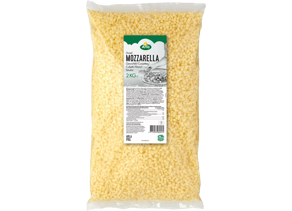
Arla Pro; made specifically with professional chefs & operators in mind. Arla Pro Small Diced Mozzarella is a fresh creamy mozzarella in a convenient small diced format (4 x 4mm) ideal for easy application.
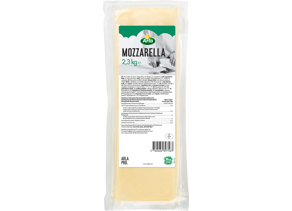
Arla Pro; made specifically with professional chefs & operators in mind. Arla Pro Mozzarella Block is high-quality mozzarella in a versatile easy handle block format that can be used across the menu, ideal for customisation to create a bespoke blend/shape and authentic and unique looking pizza.

Arla Pro; made specifically for professional chefs & operators in mind. Arla Pro Large Shredded Mozzarella has a delicious mild fresh taste with a light colour. A thicker cut size than grated (4x4x20mm) offering excellent melting, golden browning and...

Arla Pro; made specifically with professional chefs & operators in mind. Arla Pro Mozzarella Grated is high-quality grated mozzarella with a light-yellow colour. The taste is mild and fresh, providing the perfect backdrop for all types of toppings.