
For operators offering takeaway or delivery, pizza quality should therefore be assessed at the end of the journey, not only at the pass.
Dan Hall, AKA Mozzafella, tests what happens after boxing and shares the practical steps operators can take to help pizza arrive in better condition.
What happens to pizza after it enters the box
A hot pizza continues to release heat and moisture after baking. Inside a closed box, that moisture becomes steam.
As the steam moves around the box, it can settle back onto the pizza and packaging. This may soften the crust, loosen the toppings and make the centre of the pizza feel wetter than it did when it first left the oven.
The longer the journey, the more opportunity there is for the pizza to change.
Operators should assess:
- how quickly the base softens
- whether toppings move during transport
- whether moisture collects on the surface
- how well the cheese holds its coverage
- whether slices remain easy to lift
- how the pizza eats after a realistic delivery time
A pizza designed primarily for immediate dine-in service may need adjustment before it can perform consistently for takeaway or delivery.
Why steam affects the base and toppings
Steam is one of the biggest challenges in pizza delivery.
A hot pizza continues releasing moisture from the dough, sauce, cheese and toppings after it leaves the oven. If that steam cannot escape, it remains trapped inside the box and can settle back onto the pizza.
This can lead to:
- a softer base
- condensation inside the lid
- moisture collecting around the centre
- reduced crust crispness
- toppings becoming less stable
- cheese changing in texture as it cools
The type of mozzarella used can make a real difference. Higher-moisture cheese may release more water during baking and holding, increasing the amount of steam inside the box.
Arla Pro low-moisture mozzarella is developed for professional foodservice kitchens and can help provide more controlled moisture release, consistent melt and reliable coverage. That makes it a strong option for operators looking to protect pizza quality through boxing, holding and delivery.
Packaging still matters, but the box is only one part of the equation. Sauce quantity, topping load, cheese portion, bake and journey time all contribute to how much steam is created and how the pizza performs when it reaches the customer.
How cheese performance changes during delivery
Mozzarella can look and perform differently once a pizza has been boxed.
Straight from the oven, operators may focus on melt, stretch, browning and coverage. During delivery, other factors become important:
- how much moisture the cheese continues to release
- whether oil collects on the surface
- whether the cheese holds onto the toppings
- how the texture changes as the pizza cools
- whether the cheese remains evenly distributed
- how easily the slice can be lifted after holding
Higher-moisture mozzarella may continue to release water during baking and holding. In a closed box, that moisture can contribute to a softer base and wetter surface. Low-moisture mozzarella can help provide more controlled moisture release and more consistent handling, although the full pizza specification still matters. For operators comparing the best low-moisture mozzarella for foodservice delivery, testing should go beyond the first slice lift at the oven. The pizza should be assessed after the same length of time a customer would realistically wait before eating it.
Building a delivery-friendly pizza
A delivery-friendly pizza should be built with the full journey in mind.
Control the sauce portion
Too much sauce can increase the amount of moisture in the centre of the pizza. Use a defined portion for each pizza size and make sure the sauce is not unnecessarily watery.
Review high-moisture toppings
Fresh tomatoes, mushrooms, vegetables and some cooked meats can release water during baking. Draining, pre-cooking or adjusting the portion may improve delivery performance.
Avoid overloading the base
A heavily loaded pizza may look generous but can become difficult to bake evenly. Too many toppings can also make the pizza less stable when it is moved, boxed and transported.
Standardise the cheese portion
Over-portioning cheese may add extra moisture and grease while also affecting food cost. A consistent portion helps teams manage both delivery quality and margin.
Bake the pizza fully
The base needs enough time and heat to develop structure before it enters the box. Operators should also consider how oven recovery changes during busy service periods.
Consider packaging and ventilation
The box should help retain heat without trapping excessive steam. Some pizza styles may benefit from ventilated packaging, while others may lose too much heat if ventilation is too open.
The best solution will depend on the journey time, pizza style and how the order is transported.
How to test delivery quality in your own kitchen
The most useful delivery test is one that recreates the customer experience as closely as possible. Start with the exact pizza specification used during service. Avoid creating a special version purely for the test.
Use the same:
- dough weight
- pizza size
- sauce portion
- mozzarella weight
- topping quantity
- oven temperature
- packaging
- expected delivery time
Once baked, place the pizza in the normal box and hold it for realistic time periods.
A useful test may include checks at:
- 10 minutes
- 20 minutes
- 30 minutes
At each stage, assess:
The base
Is it still structured, or has the centre softened significantly?
The surface
Has moisture or oil collected around the cheese and toppings?
The slice
Can it be lifted cleanly, or do the toppings slide away?
The cheese
Has it held its coverage and texture as it cooled?
The overall eating quality
Would the pizza still meet the standard promised to the customer?
Operators should test one change at a time. For example, keep the dough, sauce and toppings identical while comparing two mozzarella products. This makes it easier to identify what is actually affecting performance.
Dan’s delivery pizza checklist
Before adding or changing a delivery pizza, Dan recommends checking the following:
1. Test the real journey
Do not assess delivery quality only at the pass. Box the pizza and leave it for the same amount of time a typical customer would wait.
2. Use a consistent specification
Weigh the sauce, cheese and key toppings so each test can be compared properly.
3. Inspect the centre of the pizza
The outer crust may remain crisp while the middle becomes soft. Cut through the centre and check the base closely.
4. Review the cheese after holding
Look at moisture, coverage, texture and how the cheese behaves during the slice lift.
5. Check the packaging
Look for condensation inside the lid and assess whether the box is retaining too much steam or losing too much heat.
6. Repeat the test during service
Pizza performance can change when the oven is under pressure and teams are moving quickly. A product that works during a quiet test should also be assessed during realistic service conditions.
7. Ask whether the pizza still feels worth the menu price
Delivery quality affects customer perception. The pizza should still look generous, hold together and eat well when it reaches the customer.
Recommended product solution
Introduce relevant Arla Pro Mozzarella only after the advice. Use wording such as: Arla Pro Mozzarella is developed with professional chefs and foodservice operators in mind, helping support consistent melt, coverage and handling across busy kitchen environments. Select product links based on the article topic and final SKU strategy.

Arla Pro; made specifically for professional chefs & operators in mind. Arla Pro Mozzarella Large Diced is delicious pre-cut cubes made from high-quality mozzarella ideal for easy application. The dice are creamy light yellow in colour and offer fres...
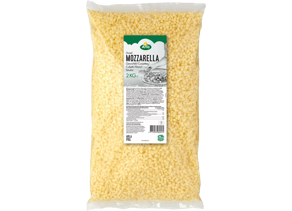
Arla Pro; made specifically with professional chefs & operators in mind. Arla Pro Small Diced Mozzarella is a fresh creamy mozzarella in a convenient small diced format (4 x 4mm) ideal for easy application.
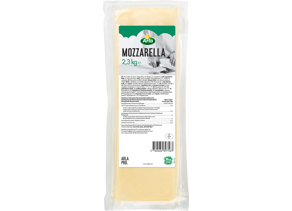
Arla Pro; made specifically with professional chefs & operators in mind. Arla Pro Mozzarella Block is high-quality mozzarella in a versatile easy handle block format that can be used across the menu, ideal for customisation to create a bespoke blend/shape and authentic and unique looking pizza.

Arla Pro; made specifically for professional chefs & operators in mind. Arla Pro Large Shredded Mozzarella has a delicious mild fresh taste with a light colour. A thicker cut size than grated (4x4x20mm) offering excellent melting, golden browning and...

Arla Pro; made specifically with professional chefs & operators in mind. Arla Pro Mozzarella Grated is high-quality grated mozzarella with a light-yellow colour. The taste is mild and fresh, providing the perfect backdrop for all types of toppings.