Pizza is one of the most portable foods on the planet and delivery is the perfect way to grow sales. Delivery will help you reach a new audience and, therefore, it’s vital to get it right the first time.
Why now for pizza delivery?
The pizza delivery market is thriving, now worth an estimated £2.1bn, making up half of the total UK delivery market today which has grown 73% in the last 10 years, despite the recent economic turbulence the hospitality industry has faced. So, it's no surprise that operators are seeing the value that a pizza offering can bring to their business. The delivery market as a whole has seen a dramatic increase as consumers seek out faster and more convenient ways of satisfying their needs.
Getting started on pizza delivery service
Before you get started on setting up your pizza delivery service, here's some handy tips to keep in mind.
3 steps to setting up a high standard pizza delivery operation
In the following 3 steps, you'll learn how to choose the right equipment, the best disposables and the optimum delivery method to serve pizza to your customers.
Step 1: The equipment
Some pubs and restaurants may already have suitable equipment for cooking pizzas, however, for those who don’t, there are some key points to consider.
Step 2: Disposables
Packaging is used as a way to deliver your food in optimum condition but can also be used as a branding tool to communicate with customers and enhance the overall experience.
Step 3: Delivery
Planning rules have been recently relaxed which means pubs and restaurants can act as takeaways and deliver food, but there are a few points to consider before diving in.
Deciding how to deliver
When delivering, the two main options are to deliver the food yourself or via a third party. There are many providers out there who can help build your online ordering portal. Having an online system will relieve staff from telephone orders occupying their time which could be spent elsewhere. Online systems also allow your customers more control when ordering with specific dietary requirements, helping further speed up the process and removing the chance of human error.
Working with a third party
Pros:
- Benefitting from another company’s resources and experience
- Opportunities to reach more people
- Greater time to focus on the brand and the food
- A ready-made infrastructure (couriers, delivery tracking, secure payment methods)
Cons:
- High set up fees and commissions
- Lack of control over the delivery experience and brand dilution
- Less communication and engagement with the end customer
Delivering yourself
Pros:
- Full control over the whole delivery experience
- No third-party communication barriers / greater brand control
- The ability to receive first-hand customer feedback
- Reduced longer-term investment
Cons:
- The need for all resources to be self-funded
- Full accountability for any delivery issues
- Less visibility and opportunities to reach high numbers of customers (resulting in higher marketing costs)

Why now for pizza delivery?
Pizza continues to be one of the biggest, most resilient at home food occasions in the UK. The pizza delivery and takeaway sector is forecast to reach around £4.2bn in revenue in 2025 to 26, showing how firmly delivery has become part of everyday eating habits (source – ibisworld).
Even with tighter household budgets, delivery demand is holding up when operators get the basics right: consistent quality, great value cues, and an easy ordering experience. In fact, the latest at home tracking shows delivery and takeaway sales up 13.5% year on year, with delivery up 15.8%, signalling renewed momentum as consumers lean into convenience-led dining at home (source – nielseniq). And the infrastructure is there to help you scale. Online ordering and delivery platforms in the UK were sized at about £3.8bn in 2024, making it easier than ever for pizza operators to reach new customers and drive repeat through digital (source – ibisworld).
Pizza Cheese that Works for Delivery
Choosing the perfect mozzarella can make or break your pizza on delivery, so it’s vital you get it right. As demand shifts to delivery, it’s important to consider how your cheese type will affect the final product as it travels, more so than ever before.
Cheese changes in taste, appearance and performance quickly as it cools, so it’s worth rethinking your cut to maintain quality. At Arla Pro we’ve tested all our mozzarellas for the ideal balance of melt, coverage, stretch, oiling, browning and colour – so we can help.

Arla Pro; made specifically for professional chefs & operators in mind. Arla Pro Mozzarella Large Diced is delicious pre-cut cubes made from high-quality mozzarella ideal for easy application. The dice are creamy light yellow in colour and offer fres...
Key Benefits:
- Once cooked it resembles softer mozzarella formats such as buffalo, burrata and fior di latte to maintain an authentic appearance and a clear point of difference in a crowded delivery market
- Low moisture content allows the pizza to be cooked more evenly, giving a crispy base and a golden crust
- A 10 x 10mm cut size makes it the perfect solution for operators who use super-hot pizza ovens
- Thicker cut size maintains opacity as it travels

Arla Pro; made specifically for professional chefs & operators in mind. Arla Pro Large Shredded Mozzarella has a delicious mild fresh taste with a light colour. A thicker cut size than grated (4x4x20mm) offering excellent melting, golden browning and...
Key Benefits:
- Perfect for delivery, retaining opacity as it’s transported from kitchen to consumer
- A 4x4x20mm cut sizes means more stretch on the cheese once cooked
- Retention of colour/ opacity means you don’t need to overload with cheese to achieve the desired result on delivery who use super-hot pizza ovens
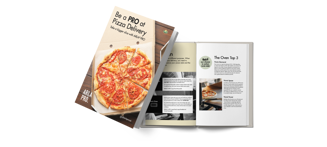
Download the pizza delivery guide here!
For even more tips on Pizza Delivery success, download the full guide.